I often joke that filming my first short film was either “the best time of my life” or a “film shoot from hell,” but neither description is fully honest. The reality sits somewhere between pride and discomfort, an experience that challenged me more than anything else I’ve done.
It’s been about a year since the idea of making a film first emerged. It’s been about six months since my film company, Dashwood Films, first launched. It’s been about four months since we wrapped filming on Muscle Memory, the company’s debut short film piece. It’s been about one month since the film has released. And it’s been about two weeks since I’ve been able to properly breathe without the worry of Muscle Memory lingering on my shoulder. Since it’s been released, I restrict all conversations discussing the film with anyone except my co-director. We remark over and over how it’s something we should leave in the past. The final product of a film I’m so passionate about is something I don’t want my name associated to at all. The captions of the Instagram posts on the accounts “perfecttt shoot.” I know I laugh, it was far from perfect. Yet I still comment, “take me back.” The process of making this feel might have taken years off of my life. I’ve spent endless frustrations towards every single aspect, but at the end of the day, the final outcome doesn’t shame me despite how much I’m ashamed of it. Does that make sense? I like to portray to everyone that shooting this film was perfect, I think I delude myself in that to a certain degree too.
The six days of production felt like six entirely different films. On day one, I showed up in my most put-together “director” outfit, convinced everything would run flawlessly. When everything started running late, I spiraled. Something relatively minor felt catastrophic. Only later did I realize how much I rely on structure and control, and how unfamiliar I was with things not going according to plan. The day ultimately went smoothly, but my reaction revealed a side of myself I hadn't really acknowledged before.
On day two, we filmed in a lovely local diner (shoutout Dina's!). My co-director and I had a breakfast and hot chocolate bonding session in our matching tube tops that we never even got to show off. Everyone listened to our direction, the takes moved quickly, and I figured out a few tricks with my new camera stabilizer that ended up being one of my favorite parts of the final product. As the camera spun, I kept whispering, “How perfect.” How perfect everything was, at least until day three.
Most of day three was spent dressing the set and listening to vinyl while we prepared the space. Even a small stain on my shirt during location scouting bothered me more than it should have. Looking back, it was probably another sign that I was holding onto expectations that were too rigid. More importantly, I began to realize that directing wasn't just about knowing what I wanted. I had to learn how to communicate that clearly, work with people who had their own ideas, and establish myself as someone worth listening to. I often felt like I had to prove myself to my peers, especially in a space where some people felt more familiar or experienced than I was. Trying to find that balance was exhausting, and it's something I'm still learning how to navigate.
Day four offered the first real moment to breathe. With less than an hour of shooting, I finally had space to step back, reassess my approach, and think about everything that had already happened and what was still ahead. It was the first time that week that the production felt manageable. The pause made me realize how much I had been operating on instinct rather than intention, and how much I still had to learn about being the kind of director I wanted to be.
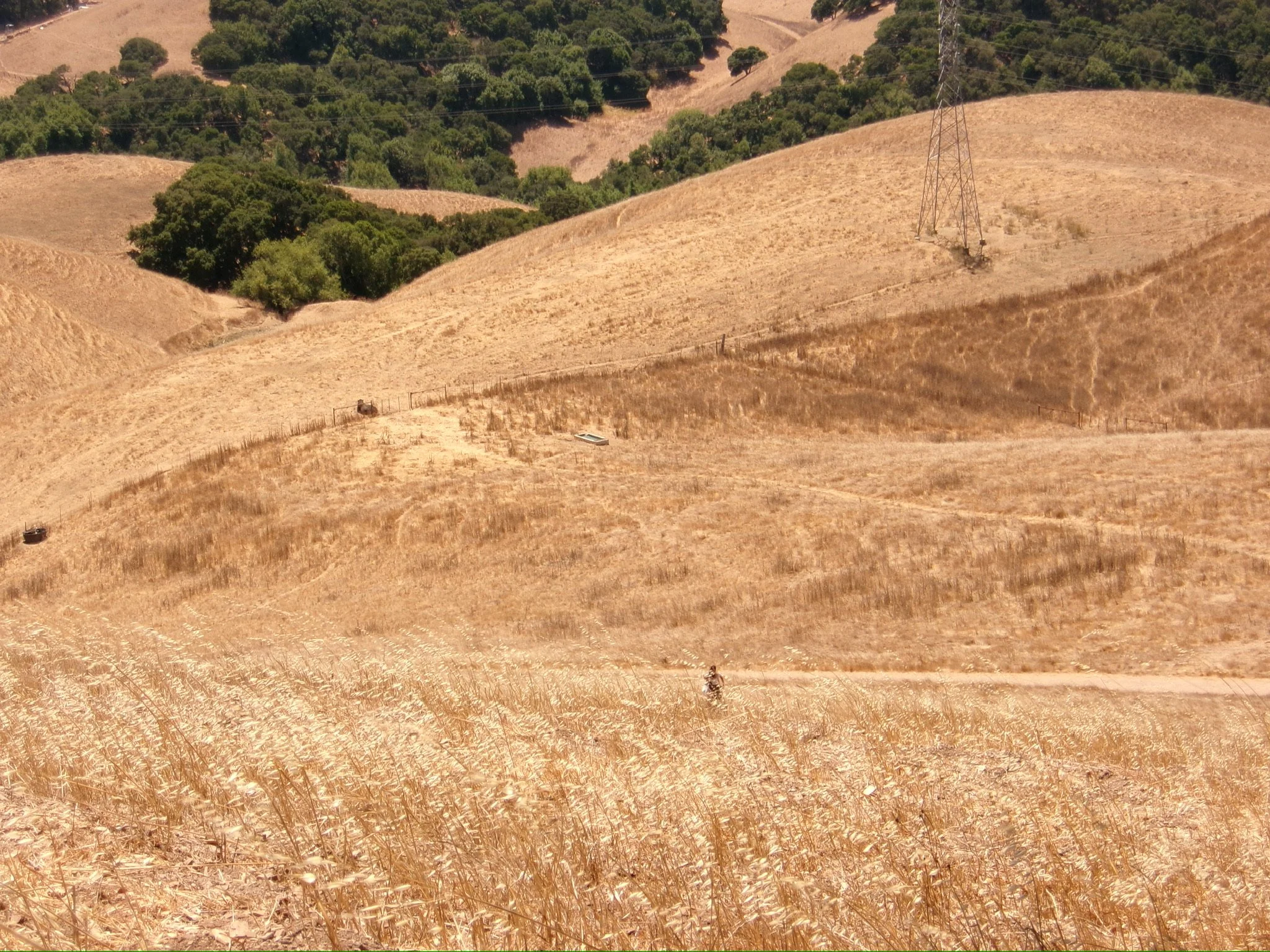
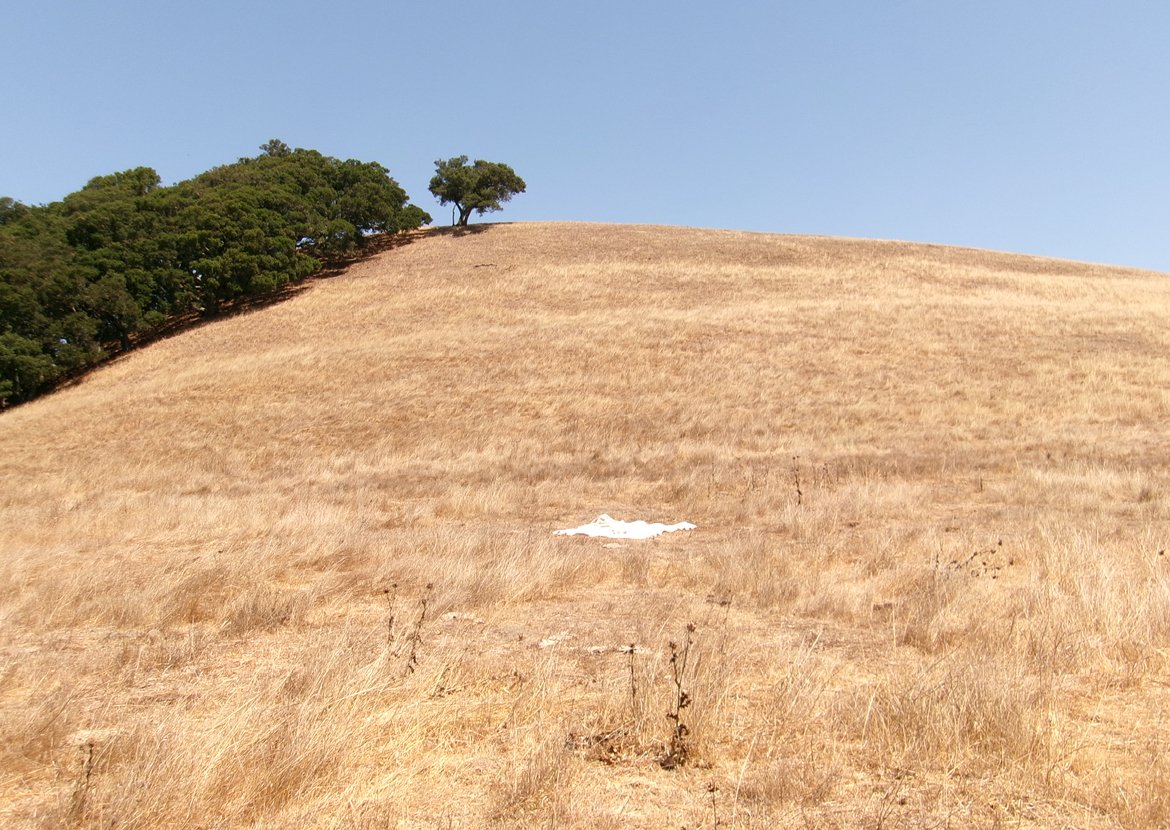
And finally, we reached the HILL SCENE. We spent eight hours filming on the golden hills, surrounded by dry grass, shifting sunlight, and a landscape that made for a pretty great setting. The day itself was long, with plenty of walking up and down the hill and enough takes to make our knees hurt. Between shots, though, everyone became more comfortable around each other, and conversations started to feel less like those of a cast and crew and more like those of a group of friends. I remember that part of the day more than anything else. It wasn't necessarily a particularly significant day, but looking back, it's one of the days I remember most clearly.
The day that followed was the WRAP PARTY SCENE, though it hardly felt like a party to me. I started at 9 a.m., turning my house upside down to accommodate a group of people I hadn't met before, while also trying to prepare for an impromptu celebration and film a scene at the same time. For the next eight hours, I moved between taping and re-taping decorations, skipping through a twelve-hour playlist, entertaining people I barely knew, and trying to figure out what we were actually shooting as we went. A last-minute recast and an improvised scene only added to the chaos. Eventually, as the party started to empty out, I found a brief moment of quiet on the floor, eating sprinkle-covered chocolate cake straight from the box with a fork and a Polaroid in my other hand. Even then, I couldn't fully relax. I was convinced we hadn't gotten everything we needed, and that feeling stayed with me long after everyone left. Eventually, I would have to confront the consequences of what we had missed.
Our final day was RESHOOT DAY. We returned to the diner early that morning, where I ate my first proper breakfast in days: strawberry waffles, warm and unhurried. Afterward, we went back to the location from our second day of filming. For a few hours, everything felt quieter. I talked with the cast without a camera between us, and the location started to feel like a real place again rather than somewhere we needed to get through a shot list. When we started filming, I captured what I still consider my favorite shot in the entire film: three boys walking in front of a glowing sunset, their figures reduced to silhouettes against the light. It wasn't something I had planned perfectly or spent hours trying to construct. It simply came together.
That shot gave me a sense of clarity that I hadn't had throughout most of production. The film was still imperfect, and the process had been far messier than I expected, but I could finally see something of myself in what we had made. The uncertainty that had followed me through each day of filming became quieter. More than anything, I left that final day understanding that I wanted to keep doing this. The chaos hadn't gone away, but for the first time, I knew it was worth working through.
There is something about Muscle Memory that made it a particularly revealing directorial debut for me. There are many reasons to feel uneasy about it: the behind-the-scenes tension, the complications in post-production, the uneven dialogue, the rushed editing. By the time it was finished, much of what originally motivated the project no longer felt present on screen. I began the film wanting to reflect on friendships from years ago that had left a lasting imprint on me. In many ways, I was trying to retell a version of my own history, perhaps even reclaim it from people who were no longer part of my life. The final film does not do that. Instead, it settles into ambiguity, offering no clear resolution for its leads or certainty about what comes next. But where I am now, months after it has all passed, I feel more connected to its themes than I did while making it. The messiness, the lack of resolution, and everything that once felt like a failure now align with what I value most about the film. The uncertainty mirrors the experience itself: friendships that fade without closure, moments that matter deeply without ever fully explaining why, and a process that resists control no matter how carefully it is planned.
Looking back on the shoot, the panic of the first day, the quiet confidence that followed, the chaos of the wrap party, and the stillness of that final sunset, I understand that Muscle Memory was never meant to be polished or definitive. It was meant to be lived through. In making it, I learned not only how I direct, but why I do. The film belongs to a version of me who was learning to let go, to accept imperfection, and to trust that meaning can exist even when clarity does not.